.svg)
Research Policy
Birendra Deepak College, Jamgaon
1. Preamble
Birendra Deepak College is committed to promoting a strong culture of research, innovation, creativity, critical thinking, and academic excellence among faculty members and students. The College recognizes research as an essential component of higher education that contributes to the creation of new knowledge, improvement of teaching-learning practices, community development, and sustainable social and economic progress.
The Research Policy of Birendra Deepak College provides an institutional framework for encouraging, supporting, monitoring, and maintaining quality in research-related activities. The policy aims to promote ethical, responsible, interdisciplinary, socially relevant, and innovative research while creating opportunities for faculty members and students to participate in research projects, publications, conferences, seminars, workshops, surveys, field studies, and collaborative academic activities.
2. Vision
To develop Birendra Deepak College as an institution that encourages inquiry, innovation, scientific thinking, and socially responsible research for academic advancement and community development.
3. Mission
The College seeks to create an enabling environment for research by encouraging faculty and student participation, facilitating interdisciplinary collaboration, promoting quality publications, supporting research projects, strengthening industry and institutional partnerships, and ensuring adherence to high standards of research ethics and academic integrity.
4. Objectives of the Research Policy
The major objectives of the Research Policy are:
- To develop a strong research culture among faculty members and students.
- To encourage innovative, interdisciplinary, multidisciplinary, and socially relevant research.
- To motivate faculty members to undertake research projects sponsored by government, non-government, academic, and industrial organizations.
- To encourage publication of quality research papers, books, chapters, case studies, and other scholarly works.
- To promote participation in national and international conferences, seminars, workshops, faculty development programmes, and research training programmes.
- To provide opportunities for students to participate in research, surveys, fieldwork, project-based learning, and innovation activities.
- To encourage collaboration with universities, research institutions, industries, government departments, NGOs, and other organizations.
- To promote intellectual property creation, innovation, entrepreneurship, and technology-based solutions wherever applicable.
- To ensure academic integrity and prevent plagiarism, fabrication, falsification, and unethical research practices.
- To encourage research that addresses regional, rural, environmental, educational, social, economic, scientific, and technological challenges.
- To facilitate the use of modern technology, digital tools, laboratories, libraries, databases, and other academic resources for research.
- To recognize and encourage significant research achievements of faculty members and students.
5. Scope of the Policy
This Research Policy shall apply to all faculty members, students, departments, committees, research groups, and other academic units of Birendra Deepak College involved in research or research-related activities.
The policy covers:
- Faculty research
- Student research and academic projects
- Sponsored and funded research projects
- Research publications
- Books and book chapters
- Conference and seminar presentations
- Field studies and surveys
- Institutional research
- Collaborative research
- Consultancy activities
- Innovation and entrepreneurship
- Intellectual Property Rights
- Research ethics and academic integrity
- Data collection and management
- Community-based research
- Interdisciplinary and multidisciplinary research
6. Research Committee
The College shall constitute a Research and Development Committee / Research Committee to plan, promote, coordinate, monitor, and review research-related activities.
The Research Committee may consist of:
- Principal – Chairperson
- Senior Faculty Member – Research Coordinator
- Heads/Representatives of Academic Departments
- IQAC Coordinator
- Faculty members with research experience
- Other experts or members nominated by the Principal, wherever required
7. Functions of the Research Committee
The Research Committee shall:
- Promote research awareness among faculty members and students.
- Identify potential research areas and institutional research priorities.
- Encourage submission of research proposals to funding agencies.
- Organize research methodology workshops, seminars, conferences, and training programmes.
- Guide faculty members and students regarding research publications.
- Promote interdisciplinary and collaborative research.
- Review institutional research activities periodically.
- Maintain records of research publications, projects, presentations, awards, patents, and other research achievements.
- Encourage adherence to research ethics and academic integrity.
- Facilitate communication regarding available research grants, fellowships, calls for papers, and academic opportunities.
- Recommend initiatives for improving research infrastructure.
- Encourage faculty members to pursue higher studies, doctoral research, post-doctoral work, and other advanced academic programmes.
8. Research Areas and Institutional Priorities
Birendra Deepak College encourages research in all academic disciplines offered by the institution. Special emphasis may be given to research that contributes to:
- Education and teaching-learning practices
- Science and technology
- Computer science and digital technologies
- Humanities and social sciences
- Environmental sustainability
- Rural and community development
- Skill development
- Women empowerment
- Health and social awareness
- Local and regional development
- Agriculture and natural resource management
- Innovation and entrepreneurship
- Indian Knowledge Systems
- Sustainable Development Goals
- Socio-economic development of local communities
Faculty members and students are encouraged to select research problems that are academically significant and capable of generating meaningful social or practical outcomes.
9. Promotion of Faculty Research
The College shall encourage faculty members to actively participate in research activities.
Faculty members shall be encouraged to:
- Undertake individual and collaborative research projects.
- Apply for minor and major research grants.
- Publish papers in credible peer-reviewed journals.
- Write academic books, edited volumes, chapters, and teaching materials.
- Present research papers at conferences and seminars.
- Participate in Faculty Development Programmes and research methodology programmes.
- Act as resource persons, reviewers, editors, or academic experts.
- Participate in interdisciplinary research activities.
- Develop innovative teaching and learning methodologies based on research.
- Guide and mentor students in project work and research activities.
10. Student Research and Innovation
The College shall encourage undergraduate and postgraduate students, wherever applicable, to develop scientific thinking and research aptitude.
Students may be encouraged to participate in:
- Research projects
- Field surveys
- Case studies
- Laboratory investigations
- Community studies
- Project-based learning
- Poster and paper presentations
- Science and innovation exhibitions
- Research competitions
- Conferences and seminars
- Surveys and data analysis
- Environmental and social research
- Innovation and entrepreneurship programmes
Faculty mentors shall guide students in identifying research problems, collecting data, conducting analysis, interpreting findings, and preparing reports.
11. Sponsored Research Projects
Faculty members shall be encouraged to submit research proposals to recognized funding agencies and organizations.
Proposals may be submitted to government agencies, universities, research councils, foundations, industries, NGOs, and other recognized funding bodies.
All externally funded research projects shall be undertaken with prior approval of the competent authority of the College and shall follow the financial, administrative, ethical, and reporting requirements of the sponsoring agency and institution.
12. Research Publications
Faculty members and students shall be encouraged to publish research work in credible academic journals, conference proceedings, books, chapters, monographs, and other recognized scholarly platforms.
Researchers should preferably publish in:
- Peer-reviewed journals
- Recognized academic journals
- Reputed national and international journals
- Indexed academic databases, where applicable
- Publications of recognized academic and professional bodies
Researchers must exercise caution regarding predatory or deceptive journals and publishers.
All publications shall correctly mention the institutional affiliation of the researcher wherever the research has been undertaken while associated with Birendra Deepak College.
13. Research Ethics
All research undertaken at the College shall follow accepted principles of research ethics.
Researchers shall ensure:
- Honesty in data collection and reporting
- Accuracy of research findings
- Transparency in methodology
- Proper acknowledgement of sources
- Respect for intellectual property
- Protection of confidential information
- Informed consent where human participants are involved
- Privacy and dignity of research participants
- Appropriate treatment of sensitive information
- Compliance with applicable ethical guidelines
No researcher shall deliberately fabricate, falsify, manipulate, conceal, or misrepresent research data or findings.
14. Plagiarism and Academic Integrity
Birendra Deepak College follows a policy of academic honesty and does not encourage plagiarism in any form.
Researchers shall:
- Properly acknowledge all sources of information.
- Provide citations and references according to appropriate academic standards.
- Avoid copying another person's work without acknowledgement.
- Avoid submitting previously published work as new research without appropriate disclosure.
- Avoid unauthorized use of data, images, tables, figures, or research materials.
Where appropriate, research work may be checked using plagiarism detection software or other available mechanisms before submission or publication.
Any case of serious academic misconduct may be reviewed by the Research Committee and appropriate action may be recommended to the competent authority in accordance with institutional and applicable regulatory guidelines.
15. Research Data Management
Researchers are responsible for maintaining accurate and reliable records of research data.
Research data should, wherever applicable:
- Be securely stored.
- Be protected from unauthorized access.
- Maintain confidentiality of participants.
- Be properly documented.
- Be retained for an appropriate period.
- Be used only for approved academic or research purposes.
Researchers should maintain backup copies of important digital research data wherever feasible.
16. Intellectual Property Rights
Research, innovation, software, designs, processes, teaching materials, inventions, or other intellectual creations developed through institutional resources may be considered under applicable Intellectual Property Rights provisions.
The College shall encourage:
- Innovation
- Patent awareness
- Copyright awareness
- Design registration
- Software development
- Technology transfer
- Entrepreneurship
- Commercialization of useful innovations where appropriate
Ownership, authorship, benefit sharing, and institutional rights shall be determined according to applicable laws, funding conditions, institutional contribution, and agreements among concerned parties.
17. Research Collaboration
The College encourages collaborative research with:
- Universities
- Colleges
- Research institutions
- Government organizations
- Industries
- Professional bodies
- NGOs
- Community organizations
- National and international academic institutions
Collaborations may include joint research, student projects, faculty exchange, training, workshops, conferences, data sharing, consultancy, innovation, and knowledge exchange.
Formal collaborations shall be undertaken with the approval of the competent authority.
18. Research Infrastructure
Subject to the availability of institutional resources, the College shall make efforts to provide researchers access to appropriate facilities including:
- Library resources
- E-resources
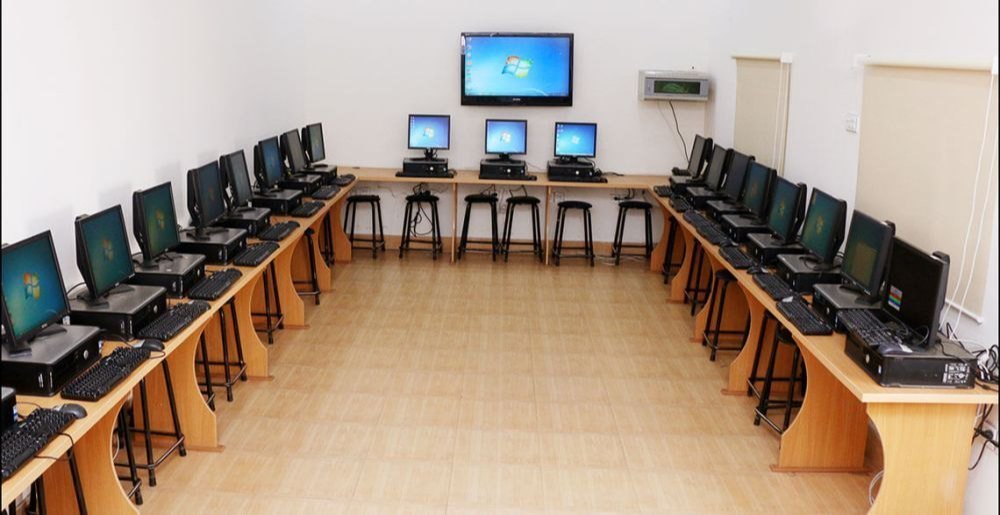
- Computer facilities
- Internet connectivity
- Laboratories
- Research software
- Statistical tools
- Digital databases
- Institutional data
- Field survey support
- Seminar and conference facilities
Departments shall make optimum use of available infrastructure for academic and research activities.
19. Research Funding and Financial Support
Subject to the availability of funds and approval of the Management/competent authority, the College may provide financial or institutional support for:
- Minor research projects
- Research publications
- Conference participation
- Registration fees
- Research workshops
- Faculty development programmes
- Student research projects
- Research equipment
- Field surveys
- Innovation activities
The nature and amount of assistance shall depend upon institutional policies, available resources, academic merit, and approval by the competent authority.
20. Research Incentives and Recognition
The College may recognize outstanding research contributions made by faculty members and students.
Recognition may be provided for achievements such as:
- Publication of quality research papers
- Publication of books
- Successful completion of funded projects
- Patents and intellectual property
- Research awards
- Best paper awards
- Research presentations
- Innovative student projects
- Significant academic achievements
- Development of socially useful innovations
Such recognition may be provided through certificates, appreciation, awards, institutional acknowledgement, or other mechanisms approved by the College.
21. Conferences, Seminars and Workshops
Departments shall be encouraged to organize and participate in academic activities such as:
- National and international conferences
- Seminars
- Workshops
- Faculty Development Programmes
- Guest lectures
- Research methodology programmes
- Academic discussions
- Research presentation sessions
- Innovation competitions
Such activities shall be used to promote exchange of knowledge and strengthen research capabilities.
22. Consultancy and Extension Research
Faculty members may undertake consultancy, advisory, survey, training, or research assignments for external organizations with prior institutional approval.
Research projects addressing community needs shall be particularly encouraged.
The College shall promote research-based extension activities that benefit local communities, educational institutions, rural areas, industries, and society.
23. Interdisciplinary Research
Modern social, environmental, scientific, educational, and technological problems often require knowledge from multiple disciplines.
Therefore, the College encourages faculty members and students from different departments to jointly undertake interdisciplinary and multidisciplinary research projects.
24. Use of Artificial Intelligence and Digital Tools
Artificial Intelligence, machine learning, statistical software, online databases, digital research platforms, and other modern technologies may be used to support research.
However, researchers shall remain responsible for the originality, accuracy, interpretation, verification, and ethical use of all research content.
AI-generated content or analysis should not be presented as independently verified research without appropriate human evaluation and, where required, disclosure.
Confidential, personal, unpublished, or sensitive research information should not be uploaded to unauthorized digital or AI platforms.
25. Research Misconduct
Research misconduct includes, but is not limited to:
- Plagiarism
- Fabrication of data
- Falsification of research results
- Manipulation of findings
- Duplicate publication without disclosure
- Improper authorship
- Unauthorized use of another person's research
- Deliberate concealment of conflicts of interest
- Violation of confidentiality
- Unethical treatment of participants
Complaints relating to research misconduct shall be examined through an appropriate institutional mechanism. Persons against whom allegations are made shall be given an opportunity to present their explanation before a final decision is taken.
26. Authorship
Authorship of research publications shall reflect genuine academic contribution.
Individuals should be included as authors only when they have made substantial contributions to the research, analysis, interpretation, writing, or other significant academic aspects of the work.
Gift authorship, honorary authorship, and deliberate exclusion of legitimate contributors should be avoided.
27. Conflict of Interest
Researchers shall disclose any personal, professional, institutional, or financial interest that could reasonably influence the design, conduct, interpretation, or publication of research.
The College may seek additional clarification or establish appropriate safeguards wherever a significant conflict of interest exists.
28. Documentation and Research Database
The Research Committee/IQAC shall maintain, as far as practicable, an institutional record of:
- Research publications
- Books and book chapters
- Faculty research projects
- Student projects
- Sponsored research
- Grants received
- Patents and intellectual property
- Conference participation
- Research awards
- Seminars and workshops
- Collaborations and MoUs
- Consultancy activities
- Innovation and entrepreneurship activities
Departments and faculty members shall periodically submit relevant research information for institutional documentation.
29. Monitoring and Evaluation
Research activities shall be periodically reviewed by the Research Committee and/or IQAC.
The review may consider indicators such as:
- Number of research publications
- Quality of publications
- Sponsored research proposals
- Grants received
- Faculty participation
- Student research activities
- Collaborations
- Conferences and workshops
- Patents and innovations
- Community-oriented research
- Research awards and recognition
The purpose of monitoring shall be to strengthen research quality and identify opportunities for institutional improvement.
30. Responsibilities of Researchers
Every researcher associated with Birendra Deepak College shall:
- Maintain academic integrity.
- Follow ethical research practices.
- Respect intellectual property.
- Maintain accurate research records.
- Protect confidential data.
- Give appropriate credit to collaborators.
- Follow institutional and funding agency guidelines.
- Report research results accurately.
- Avoid research misconduct.
- Protect the reputation and academic standards of the institution.
31. Continuous Improvement
The College shall continuously strive to improve its research environment by:
- Strengthening research infrastructure.
- Promoting faculty development.
- Increasing student research participation.
- Establishing collaborations.
- Encouraging funded research.
- Promoting innovation.
- Increasing access to research resources.
- Organizing capacity-building programmes.
- Encouraging interdisciplinary research.
32. Review of the Research Policy
The Research Policy shall be reviewed periodically by the College in accordance with changes in institutional requirements, academic practices, technological developments, regulatory guidelines, and national higher education priorities.
Necessary amendments may be made with the approval of the competent authority of Birendra Deepak College.